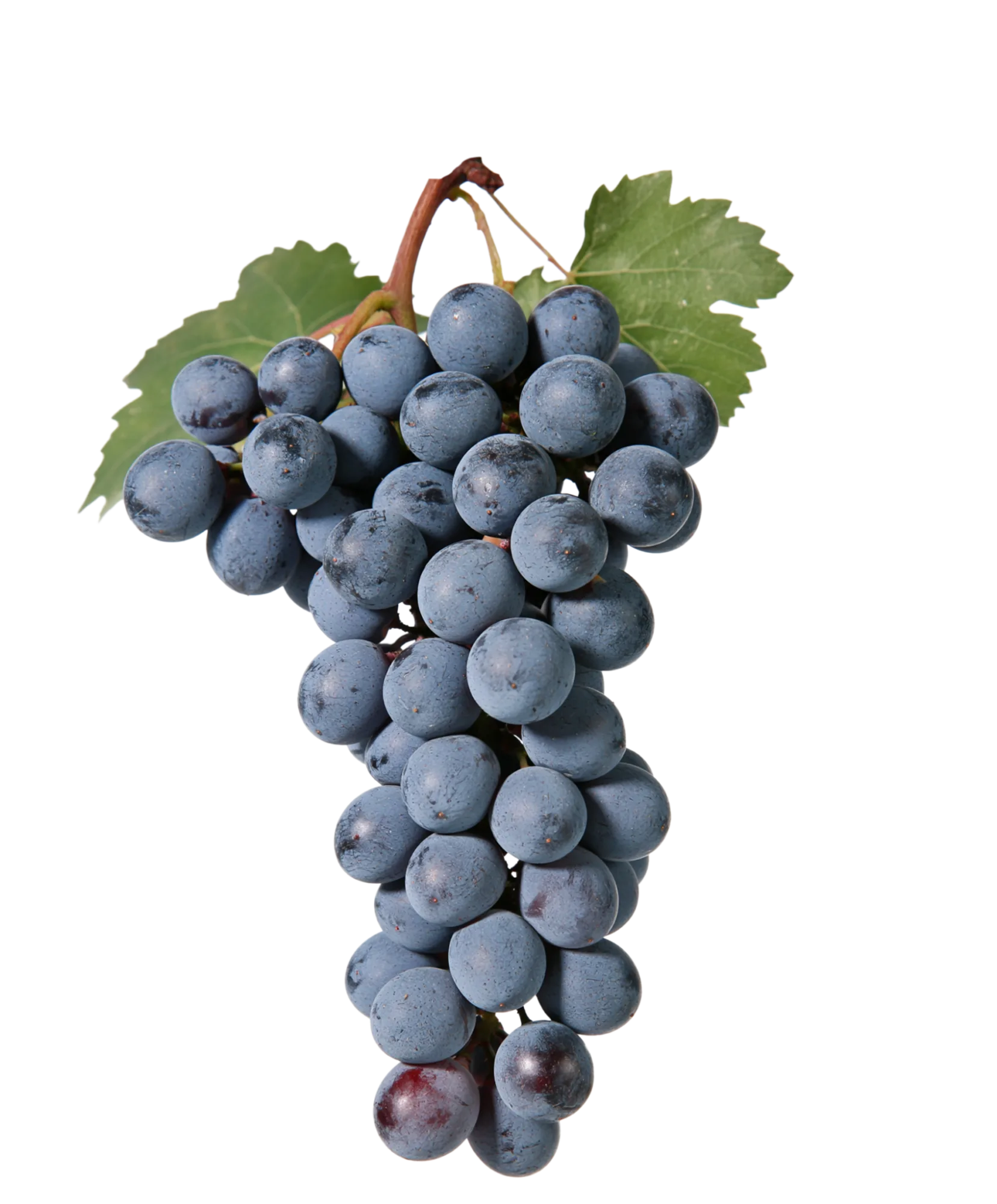
TERRITORY
GEOGRAPHICAL,
NATURAL AND HUMAN FRAMEWORK
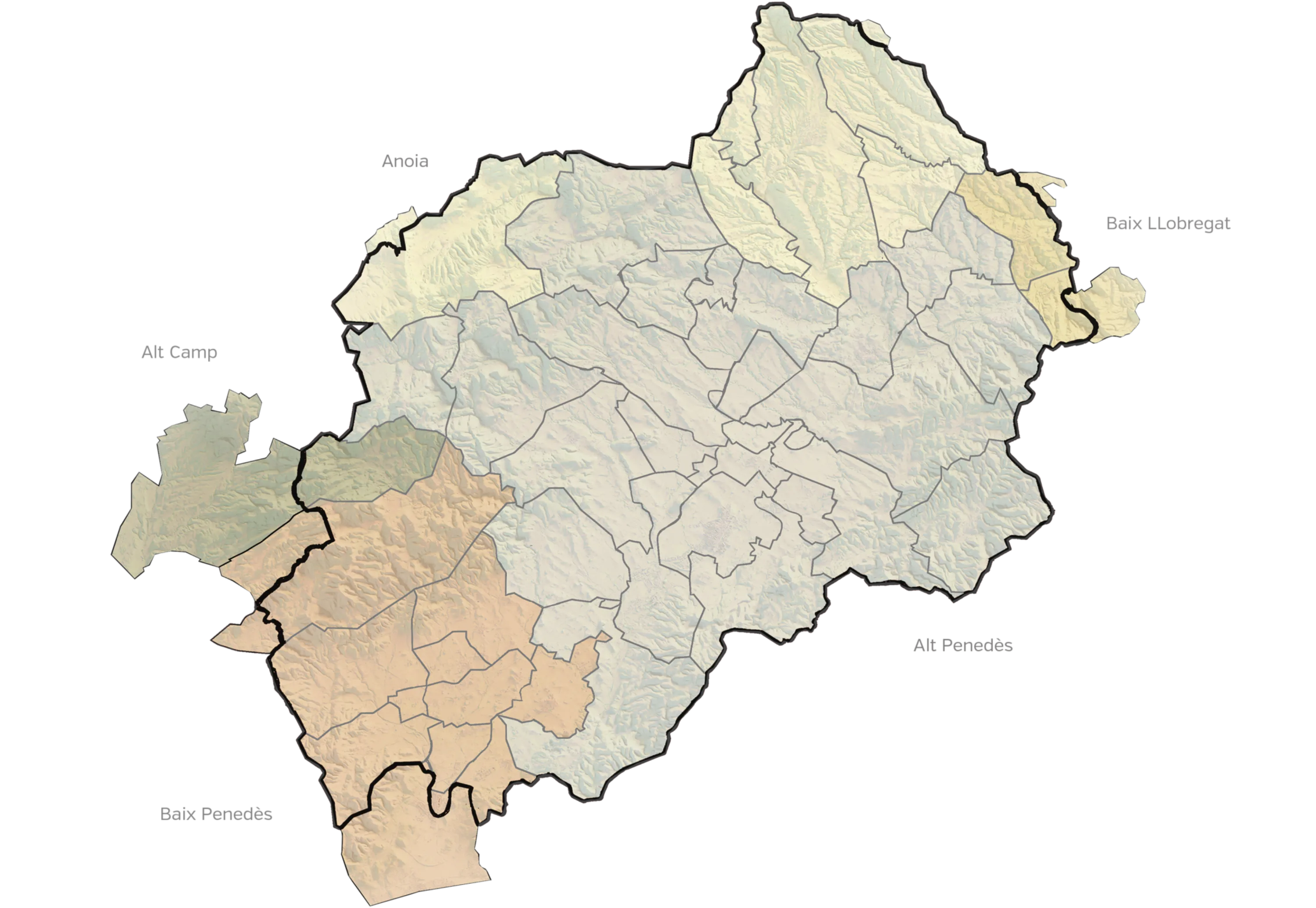
In the heart of the Penedès, the Corpinnat territory is structured around a highly unique geographical and human framework, where the interaction between the natural environment and winemaking activity has shaped a landscape with its own identity. Its delimitation responds to criteria that take into account climatological, hydrological, and edaphic factors, which are decisive in the final expression of the Corpinnats born here.
Added to this natural setting is a social and cultural fabric consolidated over generations, based on accumulated knowledge and the transmission of the craft generation after generation, which have fostered deep respect for the land. A winemaking community that views the land as heritage and works with rigor to preserve its essence.
Corpinnat thus becomes a unique territory where nature and culture converge to give rise to one of the world's most authentic and genuine cradles of quality sparkling wines.
EL CLIMA
En aquesta plana central del cor del Penedès, on es concentren gran part de les vinyes del territori Corpinnat, la temperatura mitjana anual se situa entre els 14 i els 15 °C, mentre que la precipitació anual oscil·la, de manera general, entre els 550 i els 600 mm. Les pluges es concentren principalment a la tardor, mentre que els estius són secs i calorosos, trets característics del clima mediterrani. A una escala de major detall, aquesta plana està travessada per diversos rius, rieres i rierols que creen singularitats climatològiques en cadascun dels indrets que generen durant el seu curs.
A mesura que augmenta l’altitud i ens acostem a les serralades del litoral i prelitoral, les temperatures estivals disminueixen i la humitat augmenta, afavorides per l’altitud, la proximitat del mar i la circulació dels corrents d’aire. Aquesta diversitat genera diferents microclimes que, juntament amb els sòls, l’orientació de cada vinya i la cota on es troben, contribueixen a definir el caràcter del raïm i la personalitat dels diferents corpinnats.
L’AIGUA
Aquesta dualitat dona lloc a dos paisatges complementaris, on conviuen grans extensions de vinya amb petites valls, boscos i relleus ondulats, enriquint la personalitat i la singularitat paisatgística de Corpinnat.
ELS SÒLS
Per contrast, als vessants de les serralades litoral i prelitoral situades als extrems Nord i Sud de la plana central del territori Corpinnat, hi predominen els sòls vinculats a roques calcàries i margues, més dures i amb sòls menys desenvolupats, però també amb molt bones aptituds edàfiques.
Entre els principals materials hi ha els sediments del Quaternari, formats per graves, sorres, llims i argiles, i els del Neogen, amb conglomerats i gresos i lutites. En ambdós casos, es generen sòls profunds, amb una alta capacitat de retenció d’aigua i una bona composició de nutrients, factors bàsics per al desenvolupament de la planta. Aquesta diversitat geològica és un dels elements que dona riquesa al paisatge vitícola i contribueix a definir la singularitat del territori Corpinnat.
VITICULTURE
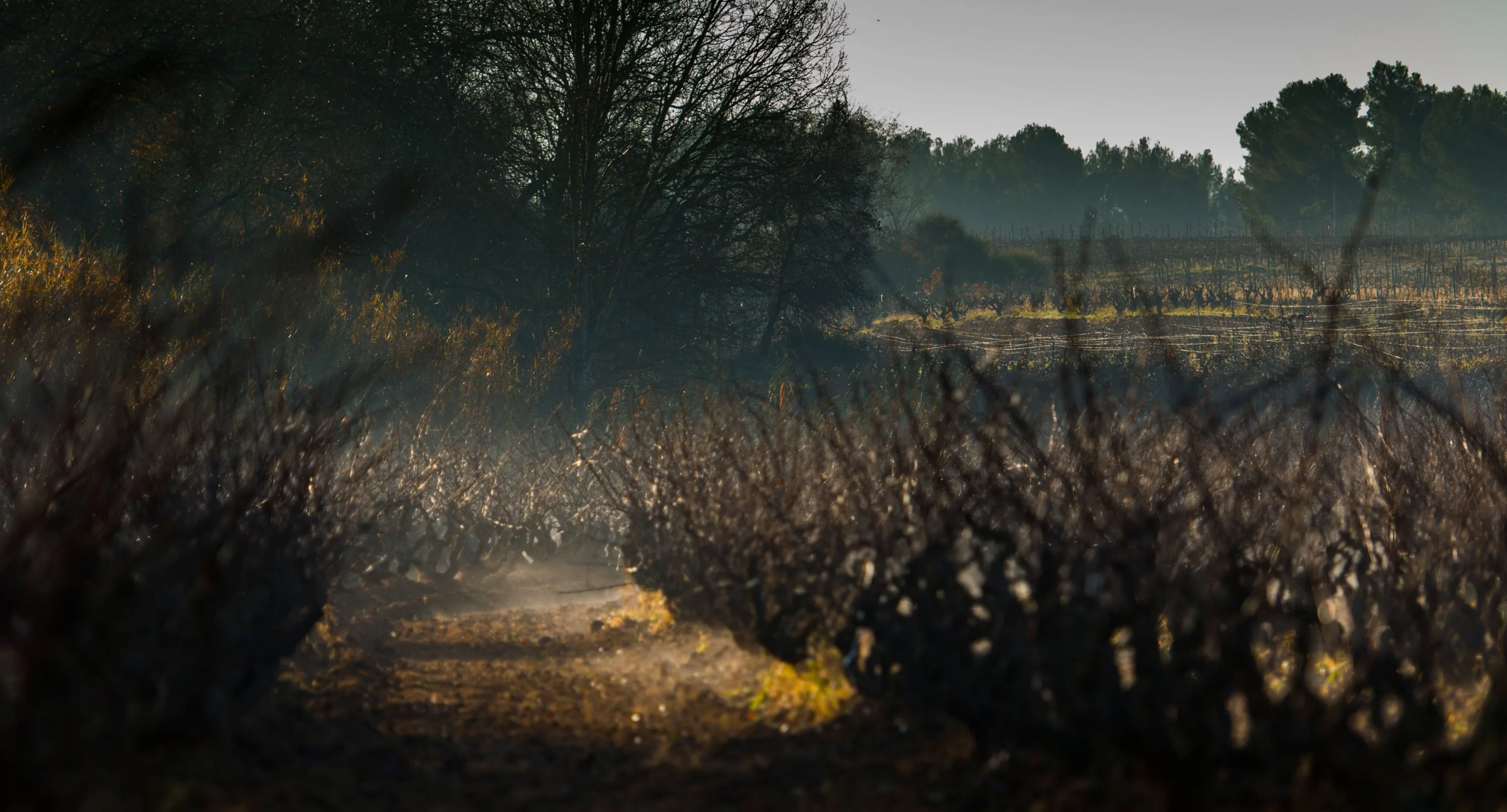
The heart of the Penedès concentrates a winemaking landscape that has become the cradle of the country's great sparkling wines. This landscape is not the result of chance, but of the commitment of the winegrowers who have preserved it generation after generation. The predominance of indigenous varieties, organic and in some cases biodynamic farming, manual harvesting, and an unwavering commitment to preserving the landscape and biodiversity are the principles that define Corpinnat's understanding of viticulture. A model committed to the preservation of the landscape that allows each sparkling wine to faithfully express its origin.
THE
VARIETIES
Xarel·lo is the backbone of our landscape; an indigenous white grape variety deeply rooted in the Penedès. No other variety expresses itself with the same tension, with that verticality capable of capturing soil minerality, climate swings, and the unique signature of each vintage. It possesses a natural energy, a lively acidity, and a structure that sustains wines of body, depth, and remarkable aging potential, especially in long-aged sparkling wines like Corpinnats.
Its character is unmistakable: frank, rustic, persistent. It is a fine grape that retains great depth. Over time it gains complexity, and when that happens, Xarel·lo becomes the quintessential liquid voice of the Corpinnat territory.
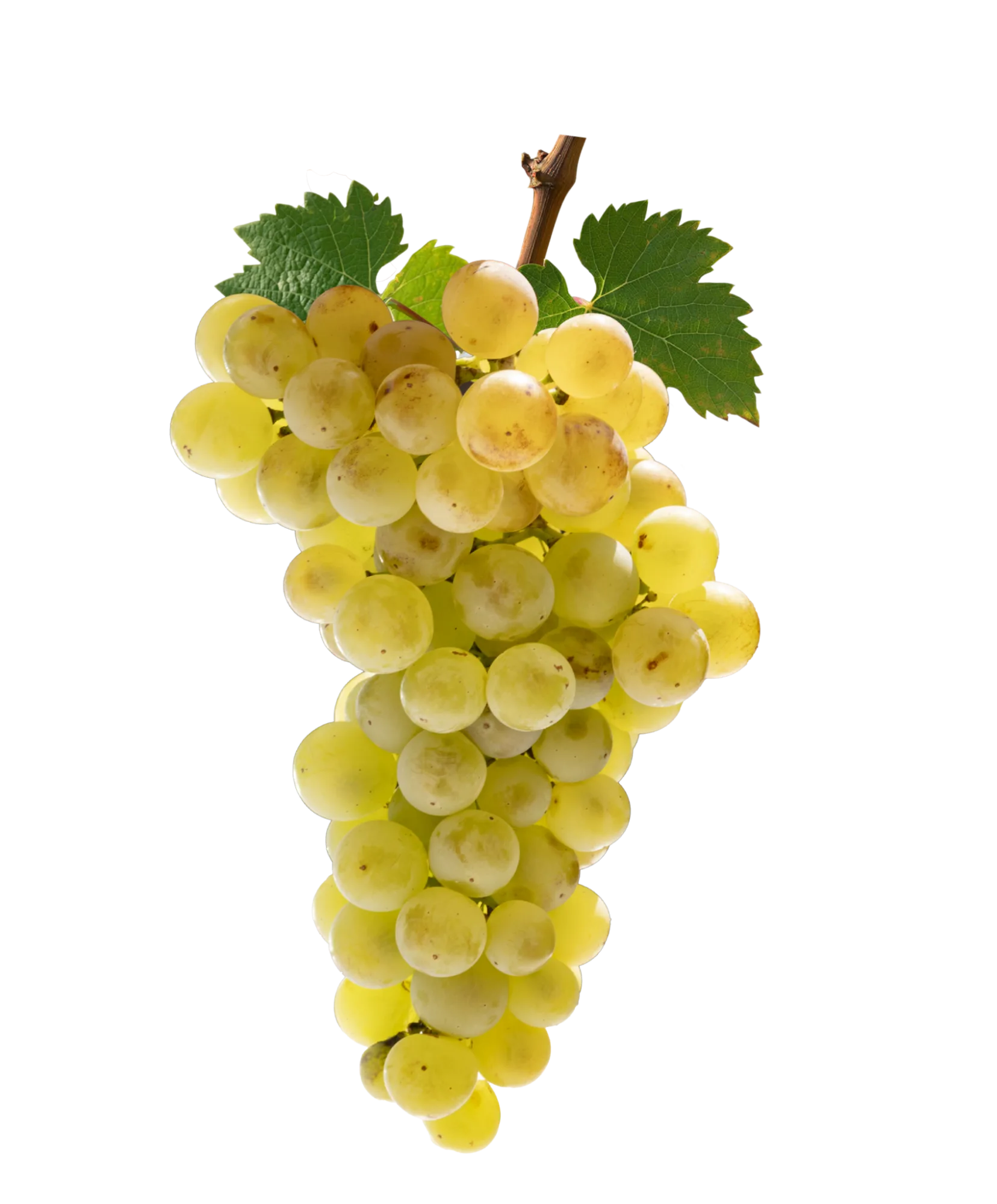
Macabeu is one of the historical white varieties of the Penedès and one of the grapes of the historical trilogy that defines the identity of the territory's sparkling wines.
It is an elegant variety that brings freshness, aromatic delicacy, and balance to wines. Its aromas range between white fruit and floral notes. When sourced from old vines, it reveals its full potential: depth, balance, and a clear affinity for aging. In contact with wood, whether during fermentation or aging of the base wine, it gains breadth and complexity without losing its identity.
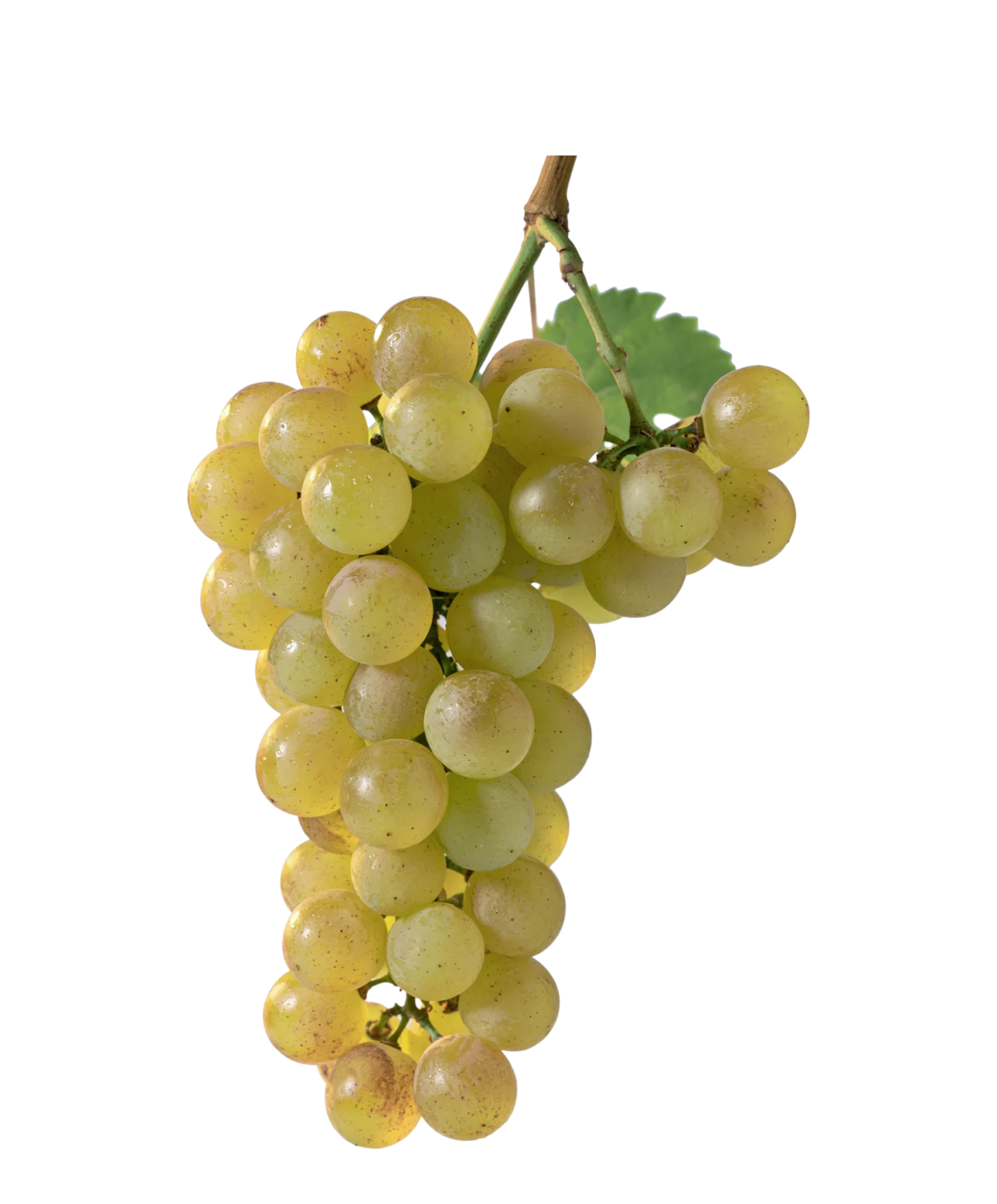
Parellada, also known in the Penedès as Montònec or Montònega, is the other traditional white variety of the Penedès sparkling wine trilogy. Historically tied to the highest elevations of the region, it finds in these cool landscapes the ideal conditions to express itself.
It is a variety of fine, subtle character. Its understated nature translates into elegant wines with a clean, balanced profile. In long-aged sparkling wines, Parellada contributes finesse and tension, lending a freshness that lengthens the wine and defines its elegance. When fully expressed, it reveals the most delicate facet of the Penedès landscape.
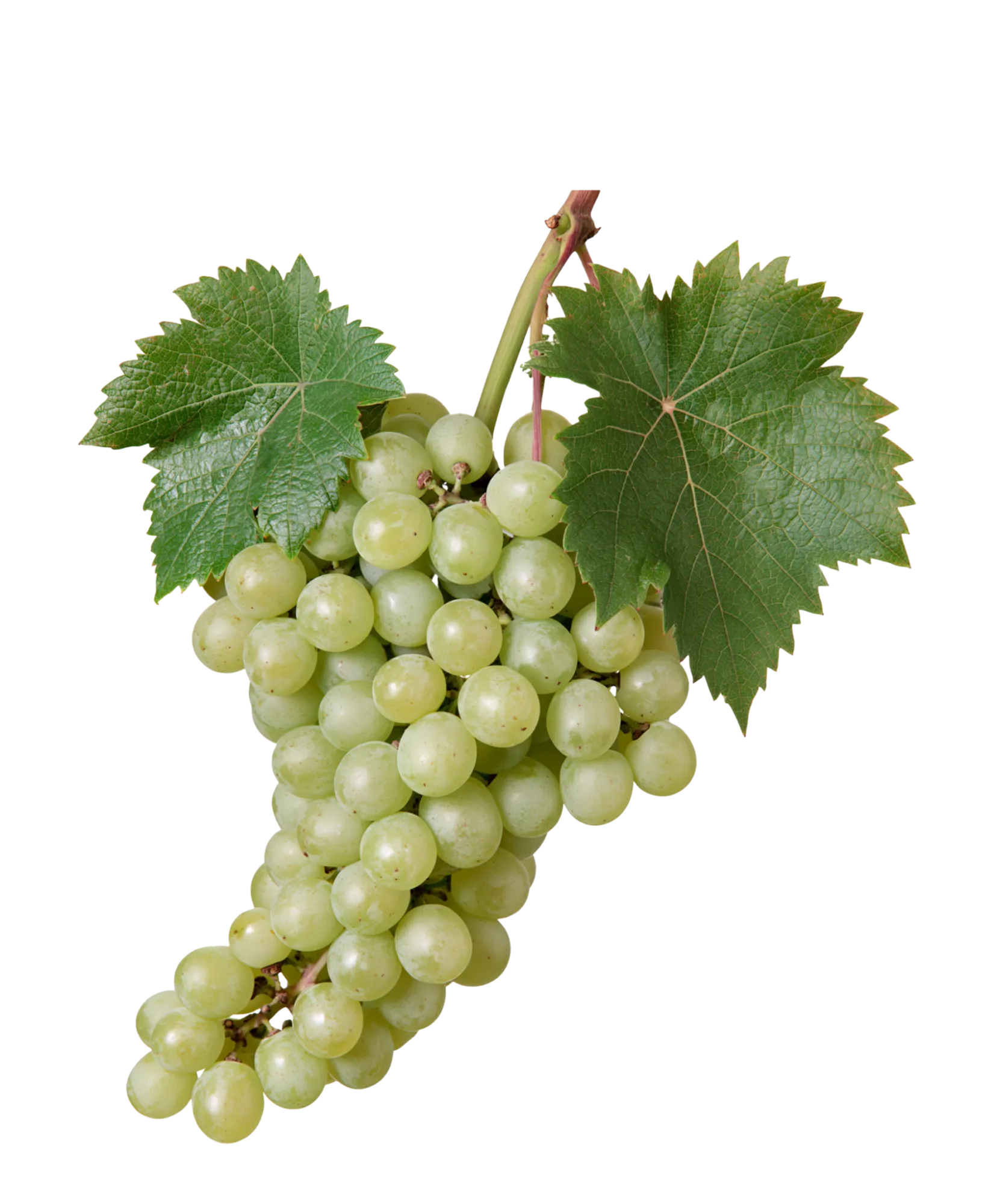
Chardonnay is a white variety of Burgundian origin. Although it has contributed to sparkling winemaking in the Penedès since its introduction in the mid-20th century, Chardonnay will cease to be used in Corpinnat elaborations starting in 2034. A decision reinforcing our dedication to origin, landscape, and the varieties that define our territory's identity.
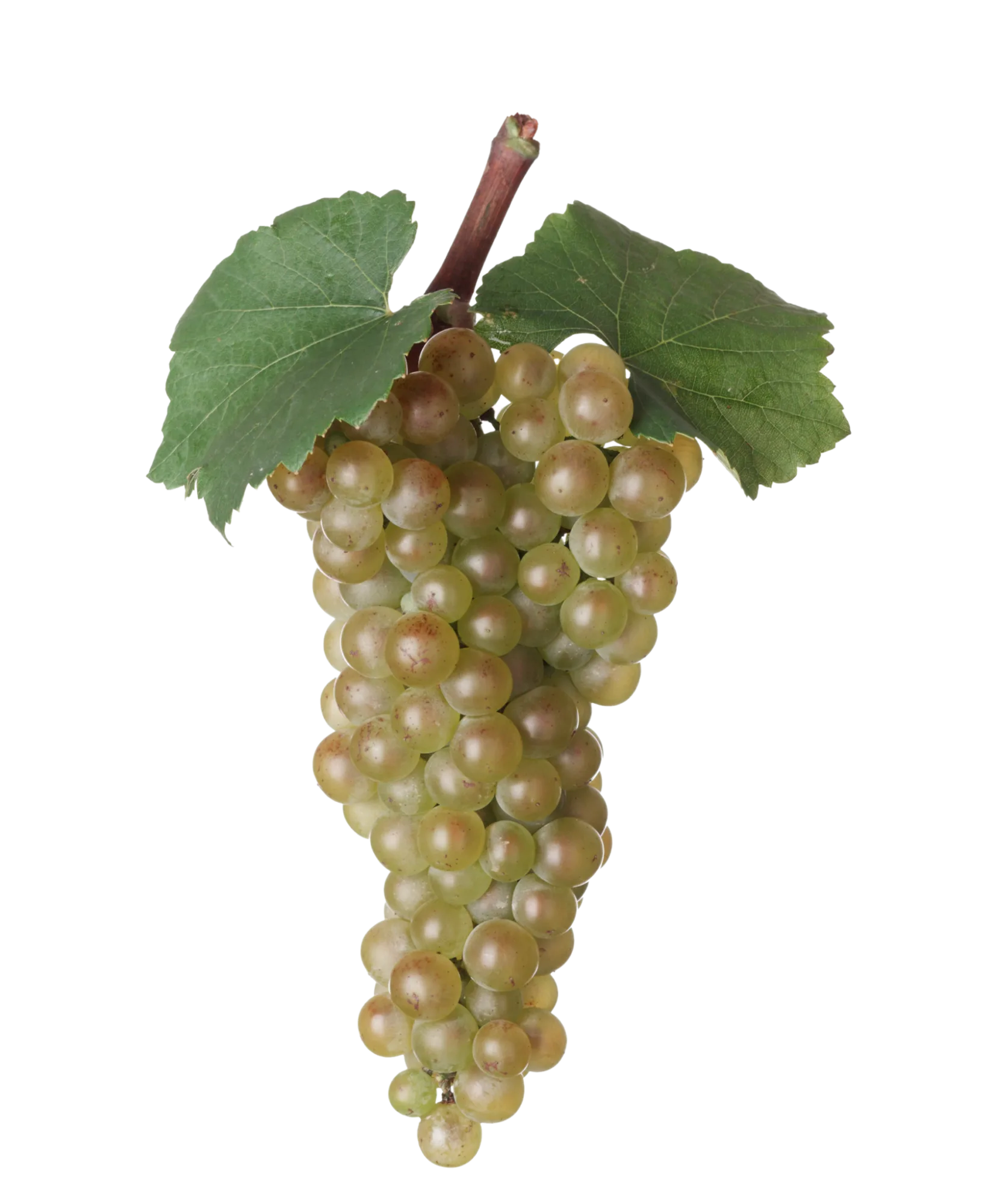
Garnatxa Negra is one of the traditional Mediterranean varieties in the region. Alongside Sumoll and Monastrell, it is part of the red varieties traditionally used to craft rosé sparkling wines.
It yields fresh, taut, and elegant wines with a structure that enables them to evolve gracefully over time and develop great aging potential. When interpreted with respect and rooted in its place of origin, Garnatxa Negra unveils a precise expression of the Mediterranean landscape.
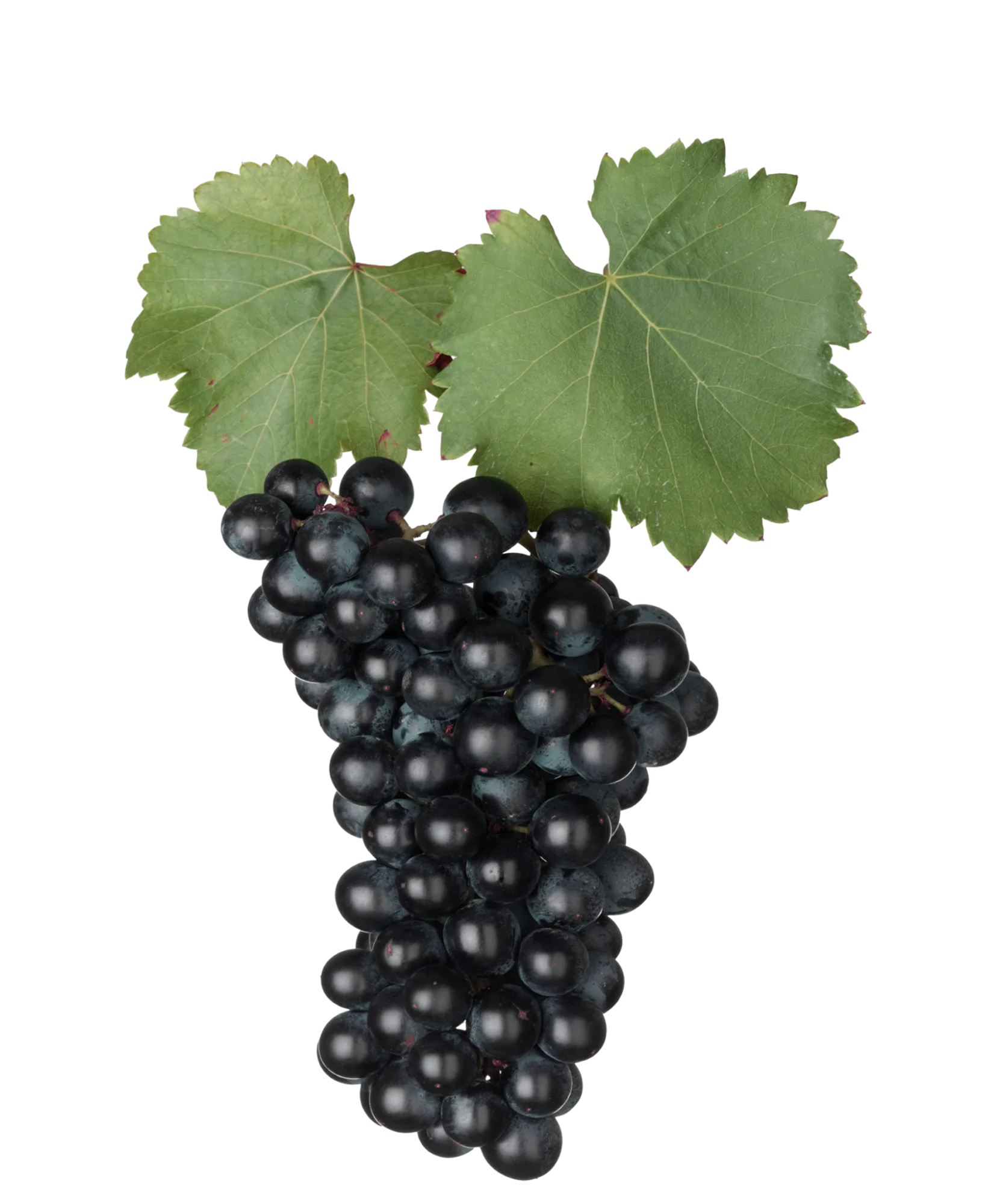
Closely related to Xarel·lo, yet possessing its own identity marked by a pinkish hue, Xarel·lo Vermell is an ancestral Penedès variety that for many years was sidelined almost to the point of extinction, but has in recent years been rediscovered as one of the treasured grapes forming the region's viticultural heritage.
It retains the characteristic energy and tension of Xarel·lo, sometimes even with a more rustic profile, imparting structure, depth, and a unique texture to the wines.
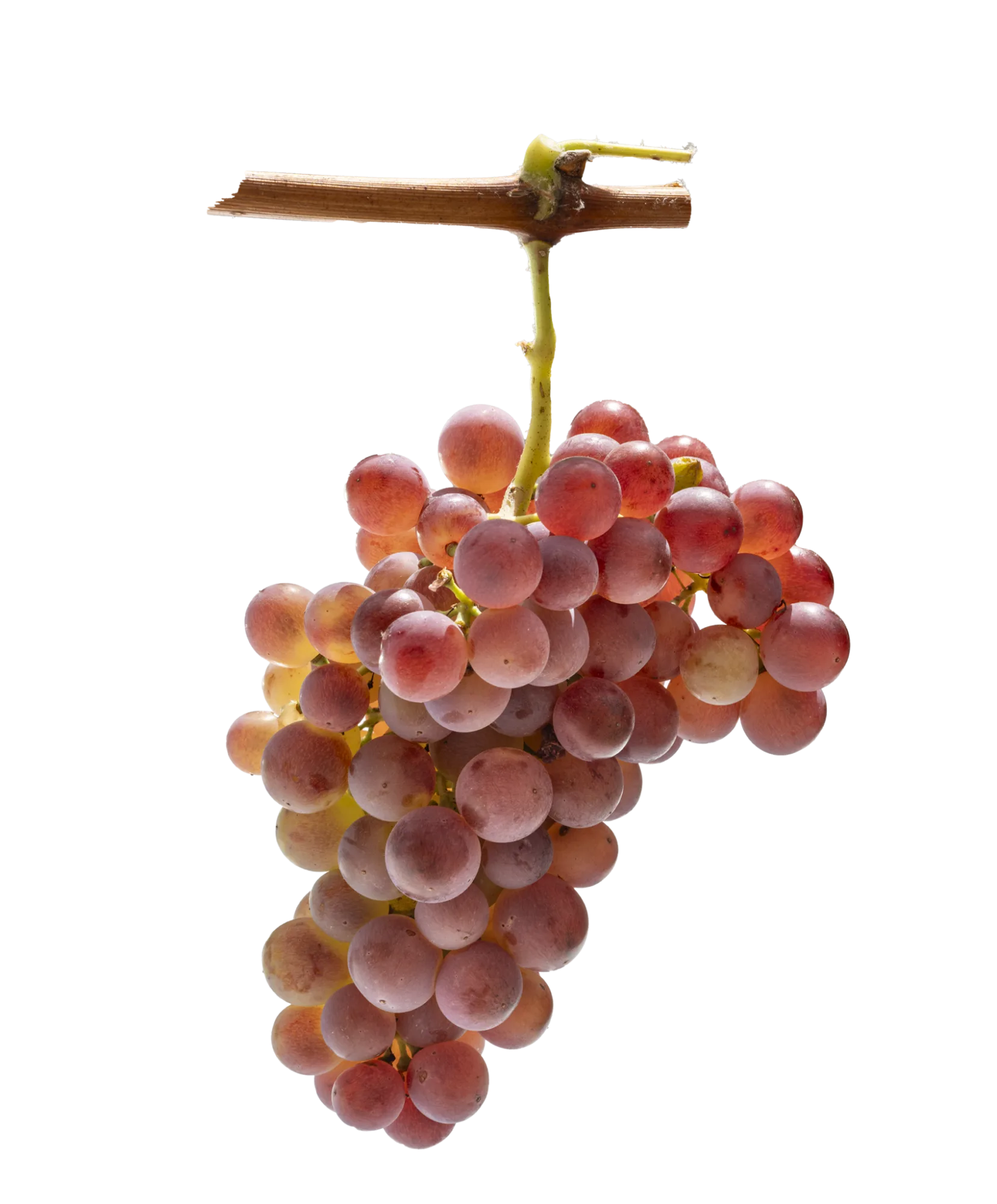
Sumoll is the historical red variety of the Penedès par excellence, deeply anchored in the Mediterranean landscape and the traditional viticulture of the Corpinnat territory. Like Xarel·lo Vermell or Sitges Malvasia, it lay forgotten for decades, nearly extinct. Yet it endured in select vineyards and in the hands of those who kept cultivating it when it seemed destined to vanish. Today, Sumoll has begun reclaiming its place as one of the most authentic and representative varieties of our territory.
Sumoll is a red grape of vibrant, nervous temperament, thin-skinned and blessed with lively acidity. Its profile is taut and direct: fresh fruit, rustic charm, and an energy that flows through the wine, bestowing structure and depth.
Sumoll faithfully mirrors where it grows: the soils, the Mediterranean climate, and the human craft in the vineyard. When listened to and respected, the wine appears unmasked, honest, and full of life. Its natural acidity and frank expression make it ideal for crafting sparkling wines of true identity and remarkable aging capacity.
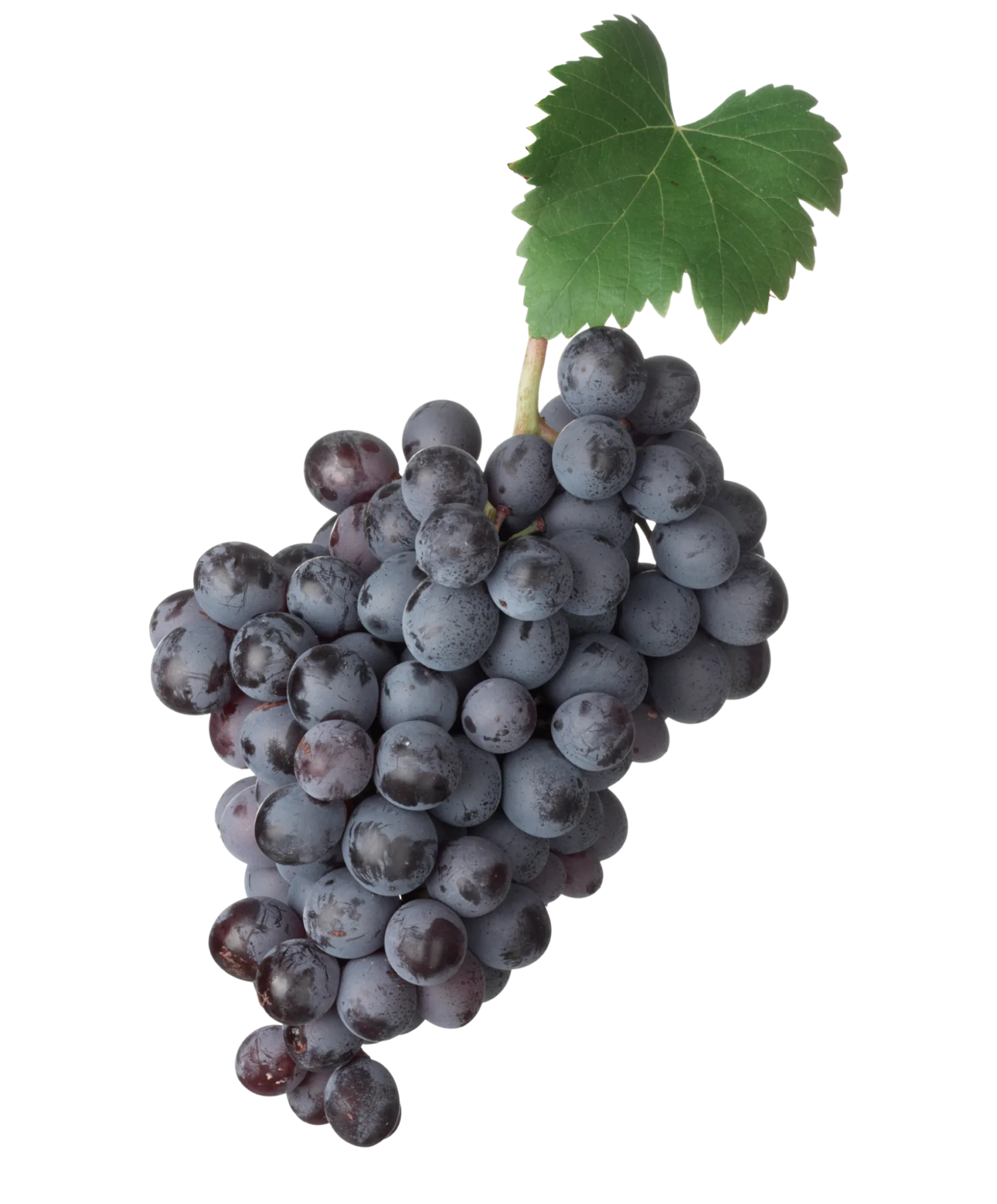
Monastrell is a Mediterranean red variety exceptionally well adapted to warmer, drier microclimates. In the territory, it is mainly cultivated in sun-drenched areas where it ripens slowly to develop its full character.
It is a grape that brings structure, intensity, and distinct personality to wines. In rosé sparkling wines, it contributes body, ripe fruit notes, and a profound texture that beautifully balances the freshness of the whole.
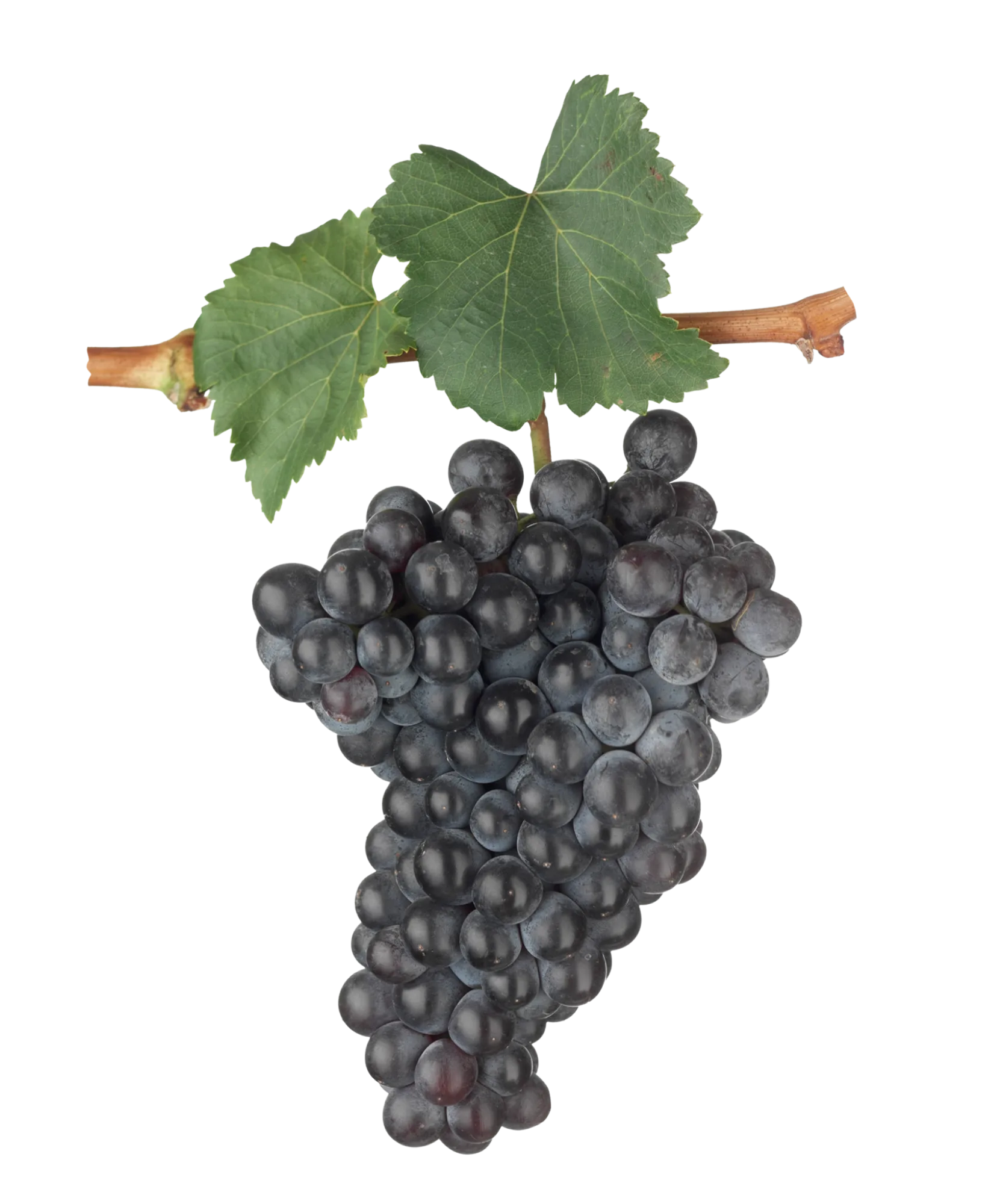
Pinot Noir is a red variety originating from Burgundy. In the Penedès, it has been used primarily in crafting rosé sparkling wines. In an effort to express an identity increasingly focused on the territory's historical varieties, Pinot Noir will no longer be used in Corpinnat elaborations from 2034 onwards. This decision underscores our dedication to origin and the heritage varieties of the Penedès.
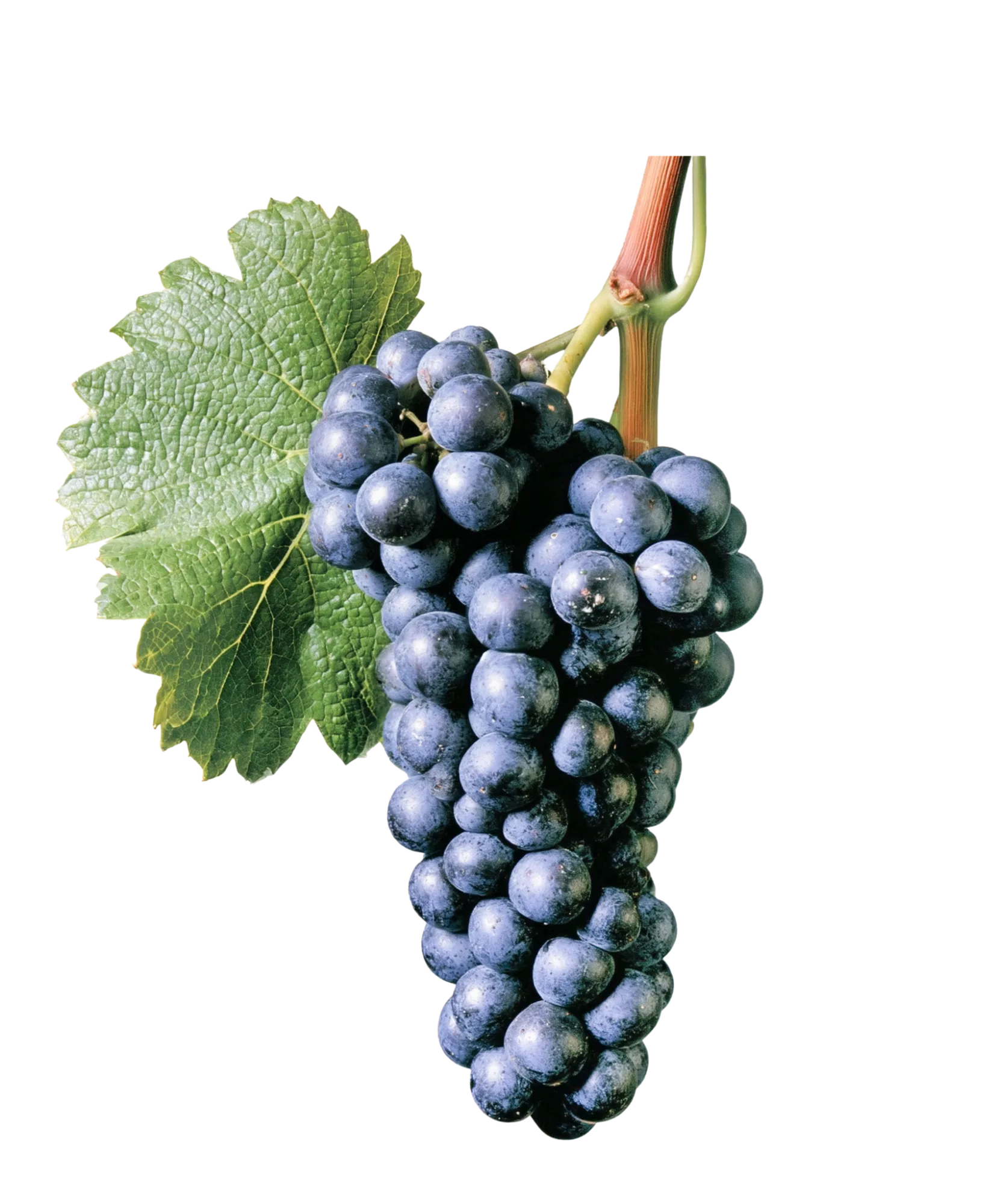
Sitges Malvasia is a white variety that arrived in the Penedès during the 15th century via Mediterranean trade routes, taking root along this stretch of the Catalan coast. For generations it was highly prized, but over time its cultivation diminished significantly. It survived thanks to a diplomat from Sitges and, especially, the winery of the Hospital de Sant Joan Baptista in Sitges, which safeguarded the last surviving vines. In the late 20th century, winegrowers and wineries replanted it and explored its potential, gradually returning it to its rightful place.
Its character is subtle yet unmistakable: delicate aromas, freshness, and a natural elegance that brings multifaceted nuances and complexity to the wines. Its Mediterranean essence is reflected in a balanced harmony of finesse and intensity.
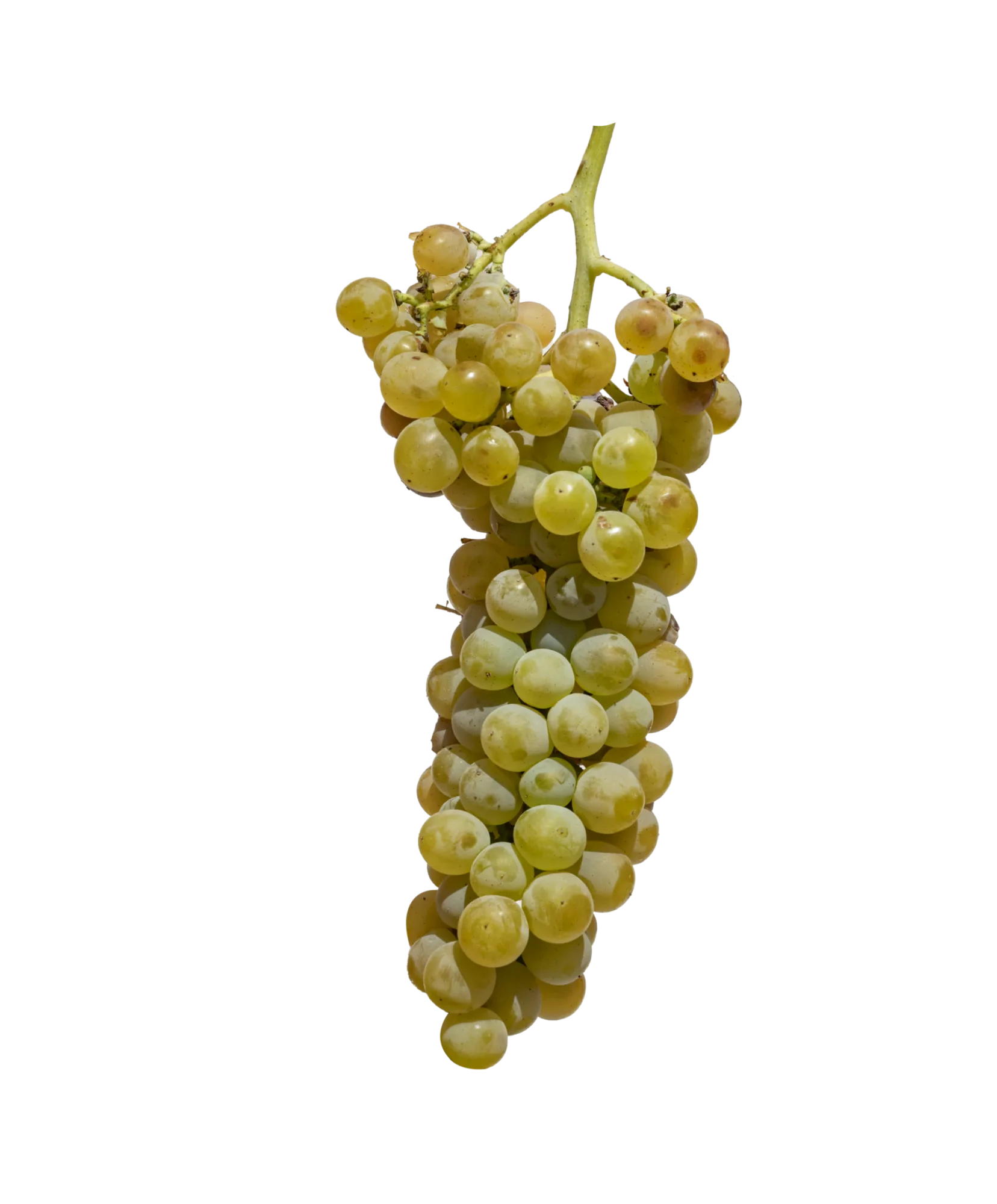
Trepat is a red variety historically associated with the inland areas of Catalonia. Nonetheless, it has been recovered in the Penedès in recent years as a variety capable of lending a subtle, refined expression to rosé sparkling wines.
It is a grape of delicate nature, renowned for its innate freshness and a fine, spiced aromatic profile. It brings tension, elegance, and lightness, shaping precise and harmonious wines.